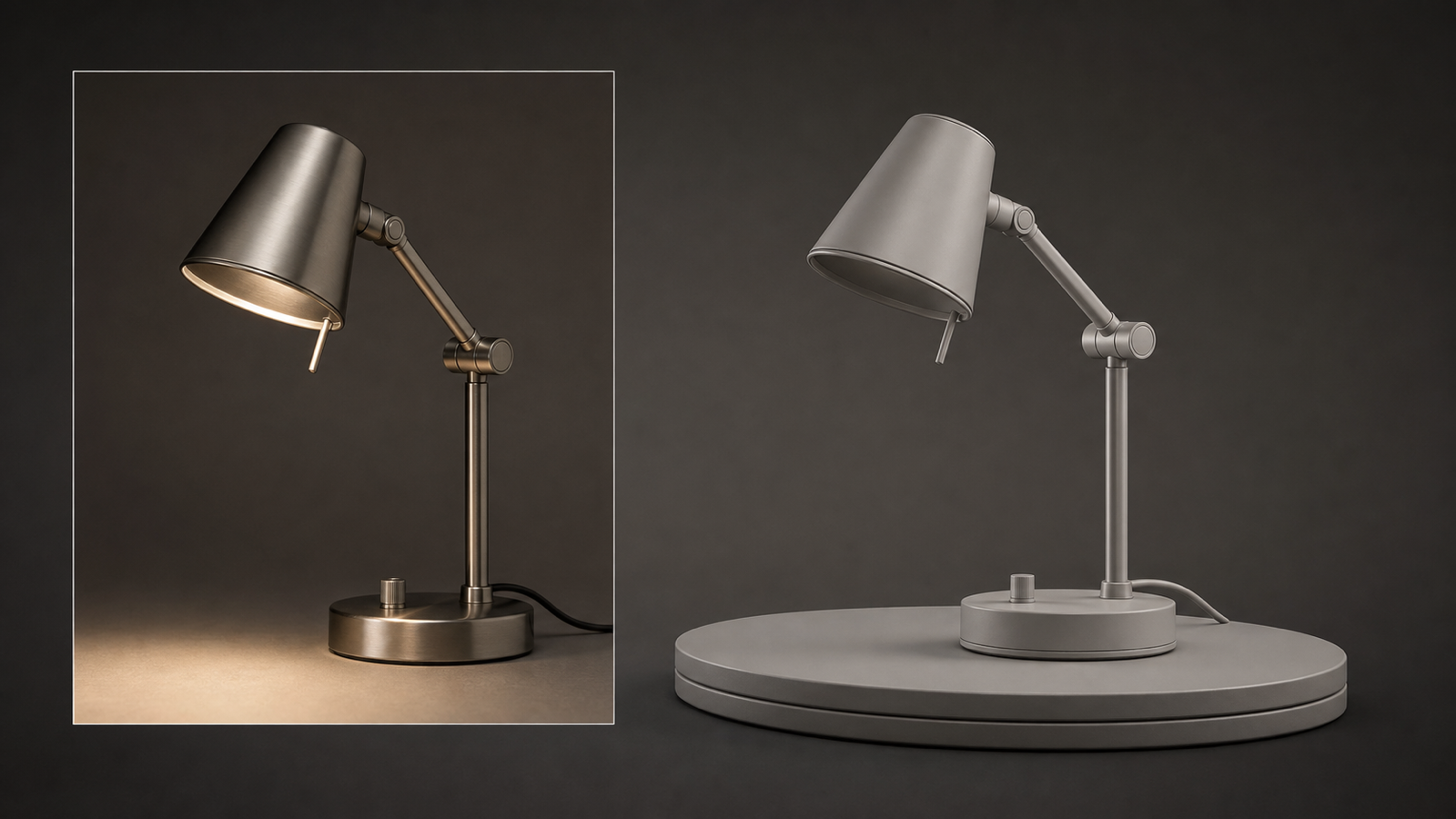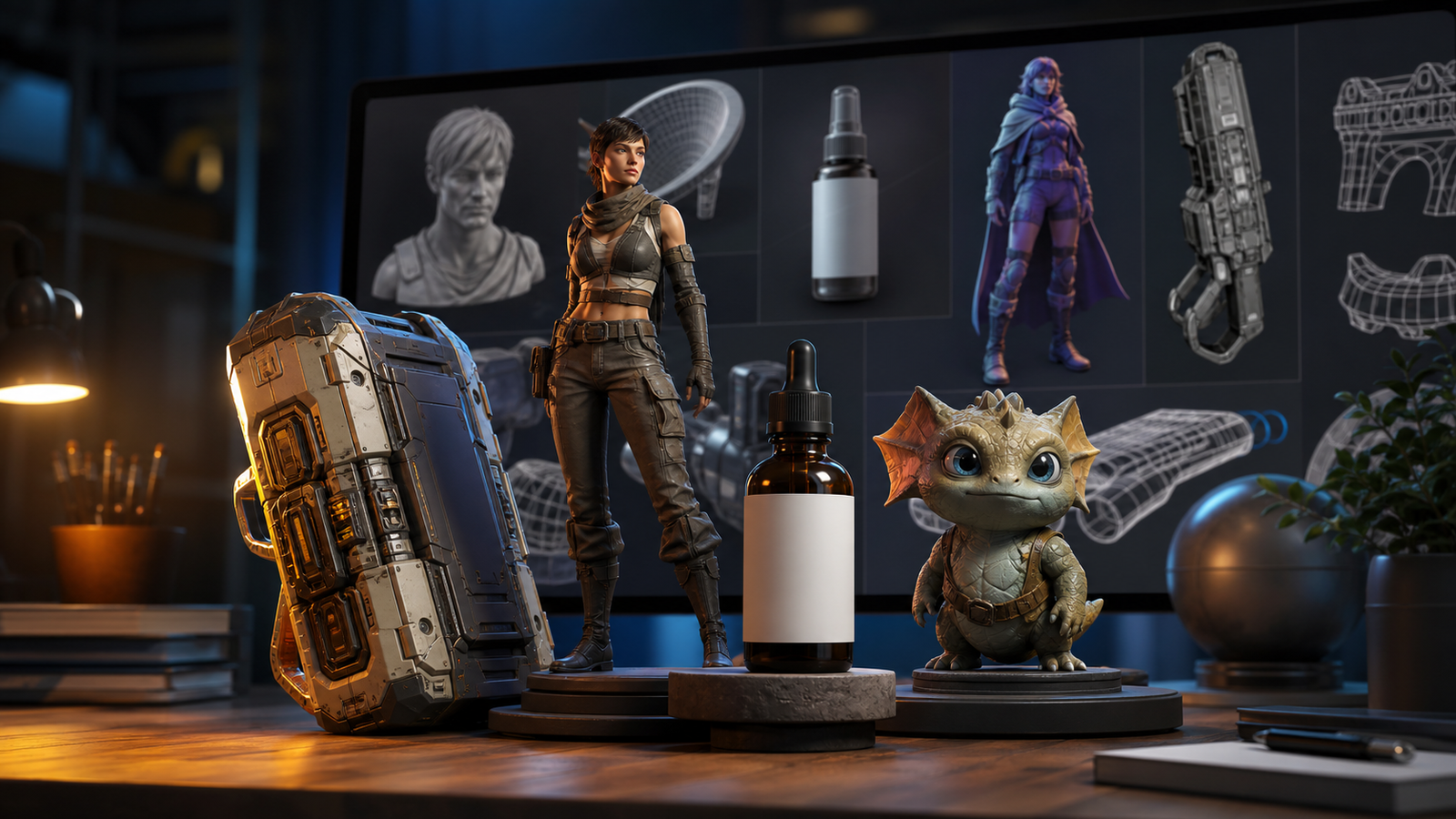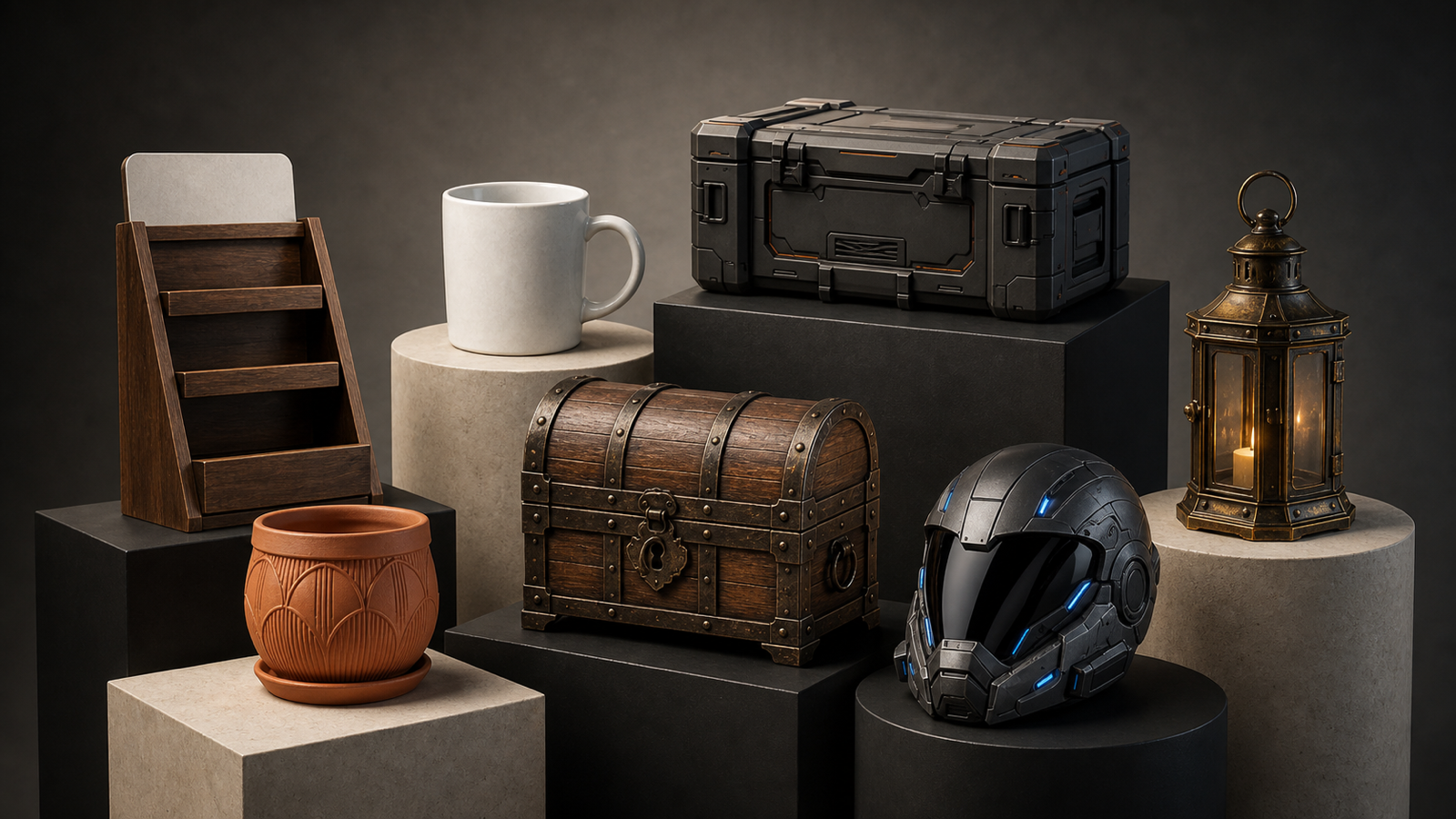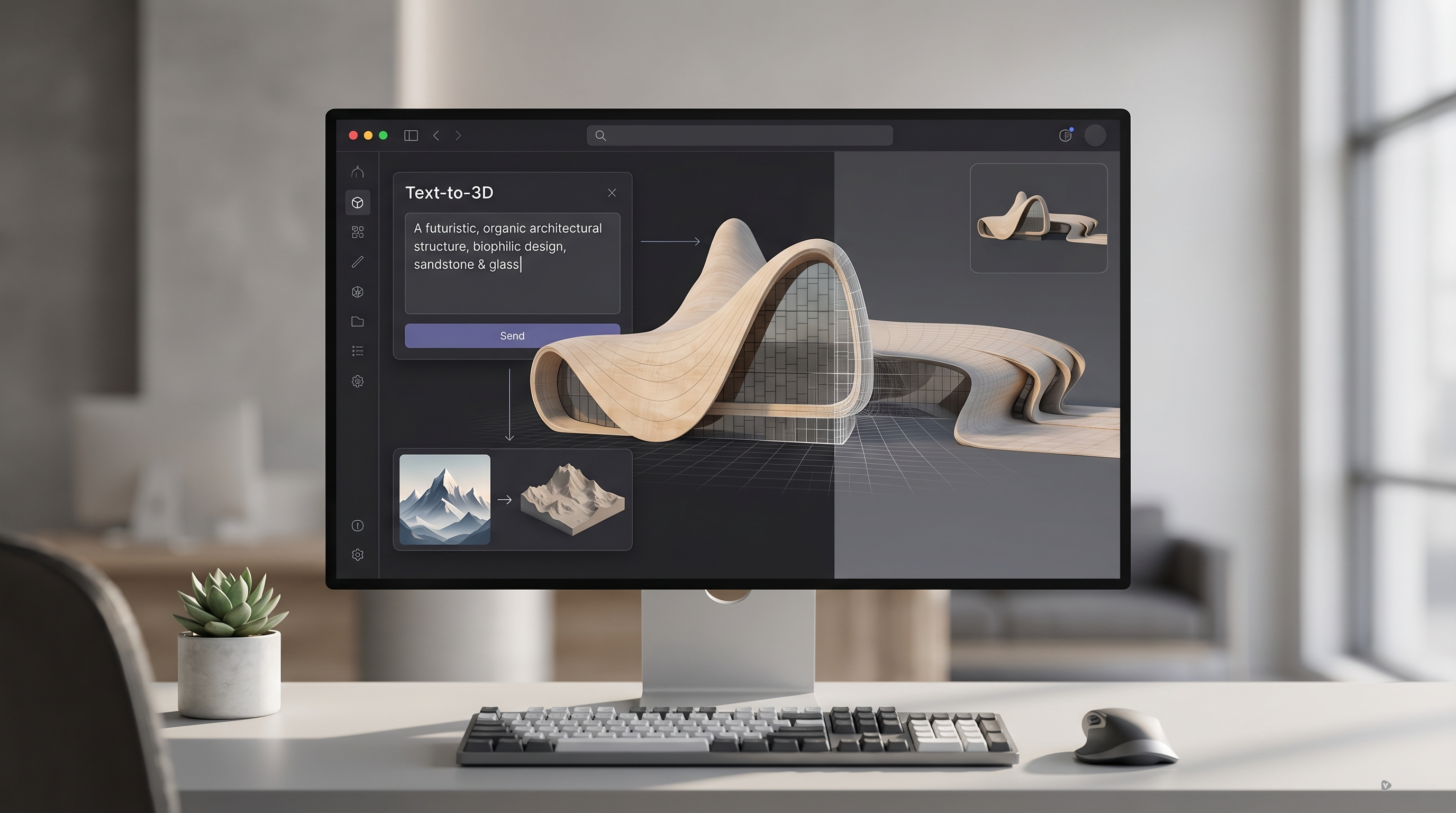
Hunyuan 3D 3.0 is one of the more interesting AI 3D releases to watch right now. Tencent is clearly aiming beyond quick novelty demos and toward a more serious 3D asset workflow. The platform supports generation from text, images, and sketches, and it is presented as a way to create usable 3D assets faster for creators, developers, and teams.
That matters, because text-to-3D still lives in an awkward space. The promise is exciting: type a prompt, get a 3D object. But in practice, most people are not looking for a magical one-click replacement for professional modeling. They want a faster starting point. They want rough concepts, cleaner drafts, and a shorter path from idea to something they can rotate, inspect, edit, or build on.
This is why Tencent’s Hunyuan 3D engine deserves a fair, practical review. It looks ambitious, it looks more production-aware than many earlier AI 3D experiments, and it also still benefits from the same real-world caution that applies to almost every text-to-3D model today.
What Hunyuan 3D 3.0 Is Trying to Do
At a high level, Hunyuan 3D 3.0 is designed to turn natural language prompts, reference images, or sketches into 3D assets. That sounds simple, but the bigger point is the type of workflow Tencent is building around it. This is not framed as a toy for spinning out pretty previews. It is positioned more like an AI 3D asset generation workflow that can shorten production time and help bridge the gap between concept and usable model.
That makes Hunyuan 3D 3.0 more appealing than a basic “prompt in, mesh out” tool. If you are working on game props, product concepts, stylized scene objects, or early design ideation, the model has a clear use case. It can help you move from blank page to 3D draft much faster than traditional modeling from scratch.
What Looks Strong About the Model
The first strength is direction. Hunyuan 3D 3.0 feels like it was built with actual downstream use in mind. Tencent emphasizes multimodal input, asset creation speed, and compatibility with common 3D workflows. That is a smarter positioning than pretending text alone can solve every 3D problem.
The second strength is accessibility. A lot of creators are curious about 3D generation but do not want to commit to a full manual pipeline just to test an idea. A model like Hunyuan 3D text-to-3D lowers that barrier. You can explore shapes, proportions, and styles quickly, then decide whether the result is worth refining further.
The third strength is ambition. Tencent’s broader Hunyuan 3D materials and related research point toward a more complete pipeline, including geometry handling, texturing, and game-ready asset concerns. Even if the everyday user only touches the front-end generation layer, that larger vision matters. It suggests the platform is trying to be useful in a real creative process rather than existing only as a tech demo.
Where Text-to-3D Still Feels Early
This is the part that matters most in an unbiased review: Hunyuan 3D 3.0 looks promising, but text-to-3D is still not magic.
A prompt can describe intent, but it does not fully define the back side of an object, hidden surfaces, structural logic, topology cleanliness, or how well a mesh will hold up when brought into a larger project. A generated model may look convincing from a hero angle and still need cleanup once you inspect it closely.
That is not a unique weakness of Hunyuan. It is a category-wide limitation. But it does affect how you should think about the model. The best mindset is not “this replaces 3D work.” The better mindset is “this accelerates the first half of 3D work.”
If your goal is rapid concepting, early asset drafts, or idea testing, that is a real win. If your goal is perfect topology, engineering precision, or instantly production-final hero assets, expectations need to stay grounded.
What Hunyuan 3D 3.0 Is Best For
The model makes the most sense for users who want speed, flexibility, and a faster bridge from concept to object.
It is a strong fit for:
- concept artists who want 3D drafts from prompts or images,
- indie creators building props or quick environment assets,
- marketers and product teams testing visual ideas in 3D,
- teams that treat AI-generated assets as starting points rather than finished deliverables.
It is less ideal for people who need strict manual control from the beginning, or for workflows where every edge flow decision matters immediately.
In plain English: AI text-to-3D model generation is useful when speed matters more than perfection in the first draft.
The Practical Question: Is It the Right Tool to Start With?
This is where a lot of reviews get too abstract. A strong model is not always the same thing as the easiest workflow.
If you specifically want to experiment with text-driven 3D generation and test Tencent’s ecosystem direction, Hunyuan 3D 3.0 is worth trying. It is one of the more credible names in this space right now, and it appears to be moving toward a more production-minded future.
But some users do not actually need the full “text to 3D” promise on day one. They just want to upload one good image and get a usable model quickly.
For that kind of creator, a focused Image to 3D modeling tool can feel more direct. See3D AI keeps the workflow simple: start with a reference image, generate a model, preview it, and download the result. That is often a more intuitive starting point for people who care less about text prompting and more about getting from photo or concept render to a workable 3D draft.
Another advantage of a lighter image-to-3D workflow is clarity. You already know what the object should look like, because the source image is doing part of the communication. That removes some of the guesswork that pure text-to-3D still struggles with.
So while Hunyuan 3D 3.0 is arguably the more ambitious system, a simple photo-to-3D model workflow may be the more comfortable place to begin if your immediate goal is speed and usability.
Final Verdict
Hunyuan 3D 3.0 is one of the more credible AI 3D models available right now. It looks serious, forward-looking, and more aware of real 3D production needs than many earlier tools in the category. That alone makes it worth attention.
Its biggest strength is not that it solves 3D completely. Its biggest strength is that it makes 3D ideation feel more practical. It gives creators a faster way to move from concept to object, especially when the goal is early drafting rather than final polish.
Its biggest weakness is also familiar: text-to-3D still leaves room for ambiguity, cleanup, and revision. That does not make the model weak. It just means the honest way to use it is as part of a workflow, not as the whole workflow.
If you are curious about the future of Hunyuan 3D 3.0 text-to-3D, it is absolutely worth watching and testing. If you want a more immediate, beginner-friendly route into 3D generation right now, an AI image-to-3D converter may simply feel easier to use in real life.
Related Articles
- Image to 3D with See 3D: A Viewer-First, Beginner-Friendly Guide
- Hunyuan3D-2 Free Guide: Image to 3D + See3D AI Alternative
- Tripo 3D AI Review: What It’s Great At (and Not)
- Seed 3D Model Generation Guide: A Simpler Alternative for Real Users
- Can AI Image-to-3D Tools Really Create Usable 3D Models From Photos in 2026?
People Also Read
- Image to 3D on HeyDream AI: A Practical Tripo 3D Step-by-Step Guide
- OpenArt World Review: A Practical Look at This New AI 3D World Generator
- How to Use DreamMachine AI’s AI Video Generator: A Practical Guide for Text and Image Workflows
- How to Use Sea Imagine AI’s Image Generator: A Beginner-Friendly Tutorial